
Matt’s Notes
It’s been a while, or at least it feels like it has! In this outing, we’re all about User Experience in the educational endeavor, and that seemed like a good opportunity to completely redo the interface for this website, and also to try out some image and video generating capabilities of ChatGPT and Shutterstock AI generators. Offhand, I’d say these tools are about 110% more advanced than they were back in 2022 when we first started this Ed non-Tech podcast. Extremely cool and perhaps slightly concerning! We hope you’ll join us for some dives down these and other rabbit holes!
There’s no UX without U! #ednontech
This audio has been manufactured, fabricated, recreated, and possibly prevaricated to the best level our cloud-based systems are capable of! #ednontech



Doug’s Notes
User Experience (UX) in education
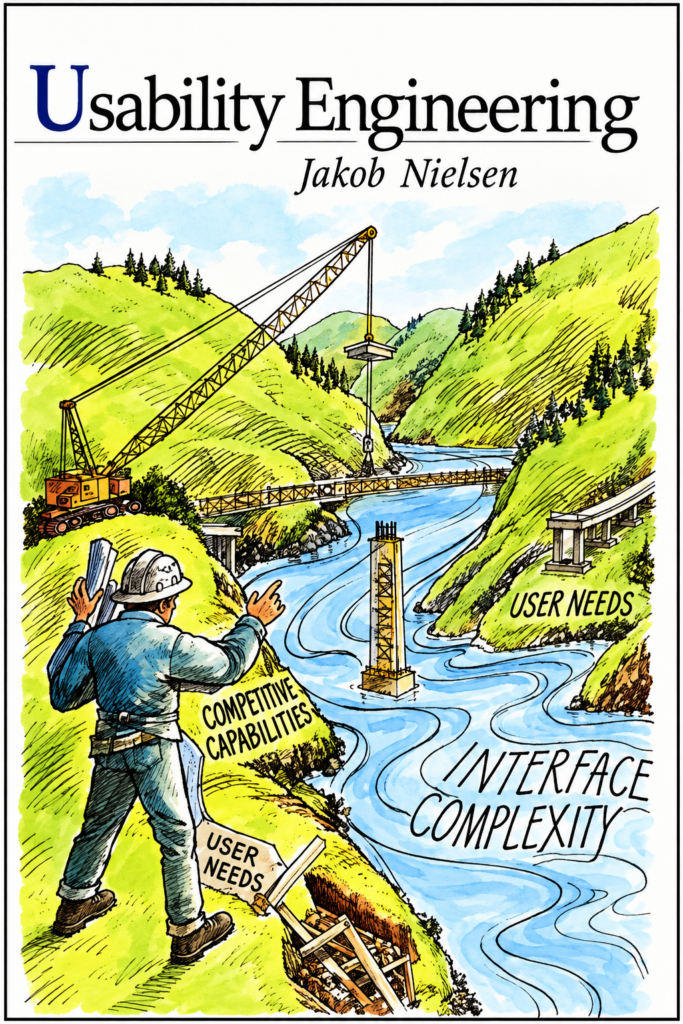
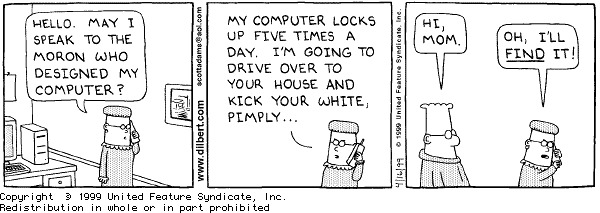
Have you ever seen one of the people who will be users of your current project? Have you talked to such a user? Have you visited the users’ work environment and observed what their tasks are, how they approach these tasks, and what pragmatic circumstances they have to cope with?
User interfaces are now a much more important part of computers than they used to be.
Nielsen, J. (1993). Usability engineering (Vol. 1). San Francisco: Morgan Kaufmann.


Many computer programs that are technically well designed fail to meet the human or organizational purposes they were expected to serve.
… Systems can be ineffective when they are not well understood by the people who use them, provide inaccurate data, demand unusual precision and attention, or are difficult to modify when the kinds of information users want changes.
Kling, R. (1977). The organizational context of user-centered software designs. MIS quarterly, 1(4), 41-52.
The contemporary field of UX is an heir to the older field of user-centered design (UCD), a field focused most directly on placing user requirements at the center of design processes.
… There are few academic programs devoted specifically to training job-ready UX designers, and still fewer articles and no books devoted to this topic.
… We have developed four components of a UX pedagogy:
- orientation,
- observation,
- practice, and
- play.
Doug: Great article
Getto, G., & Beecher, F. (2016). Toward a model of UX education: Training UX designers within the academy. IEEE Transactions on Professional Communication, 59(2), 153-164.

Little scholarship addresses HCI pedagogy in a formal or direct way, and similarly scarce research guides the creation of formal curricula in UX and other emerging areas of HCI practice.
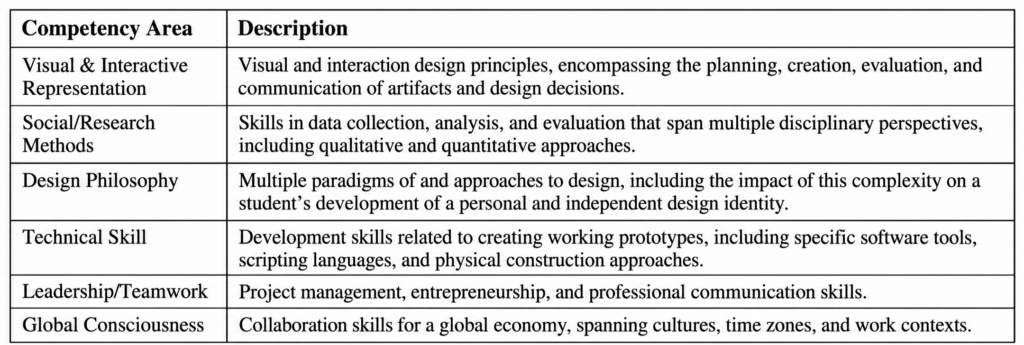
Lots of assumptions in the writing regarding audience previous knowledge – much exclusionary language
Vorvoreanu, M., Gray, C. M., Parsons, P., & Rasche, N. (2017, May). Advancing UX education: A model for integrated studio pedagogy. In Proceedings of the 2017 CHI Conference on Human Factors in Computing Systems (pp. 1441-1446).
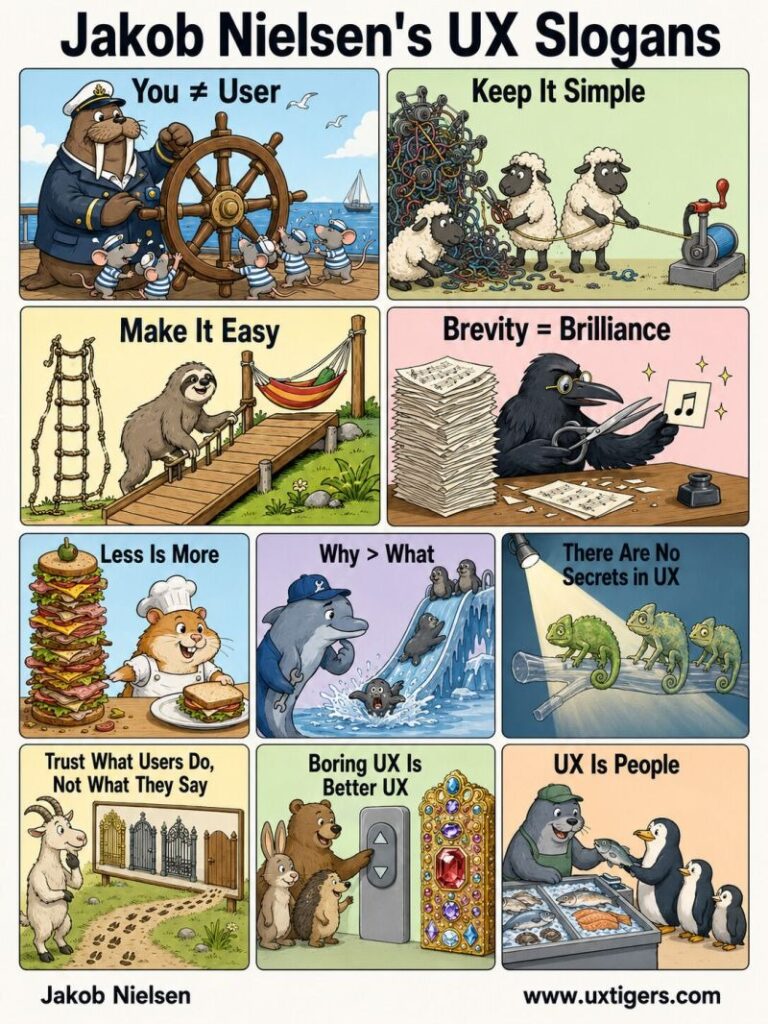
… Many have found UX design to be that factor that significantly affects how users interact with mobile apps and contributes to a user’s willingness to carry on using the apps.
Effective UX design creates a seamless journey for users, reducing friction and fostering trust, which directly contributes to increased engagement, loyalty, and monetization opportunities.
Majumder, A. S. (2025). The influence of UX design on user retention and conversion rates in mobile apps. arXiv preprint arXiv:2501.13407.

Word of the Podcast
UX
Question of the Podcast
Can increased planning for UX be a bad thing in education?
Phrases of the Podcast
An anachronism now
&
Agrarian gentleman
&
That’s a no-shit Sherlock kind of statement

We talk and we talk until my head explodes
I turn on the news and my body froze
This braying sheep on my TV screen
Make this boy shout, make this boy scream #ednontech

Podcast: Play in new window | Download
