
Matt’s Notes
Welcome back, one and all!
I am grateful and stoked to share these first three episodes of the Ed Non-Tech Podcast season 4. It’s been a long summer from a variety of standpoints, and it feels great to talk about it within the context of this ongoing creative endeavor!
Today we’re speaking to administrator impacts on school morale. Please check out the audio and/or video below!
We’re back and we couldn’t be more stoked! #ednontech
Season 4 promises some of the best #ednontech audio thus far!



It’s been four months and a couple of weeks since the last episode of the EnT. Our most recent episode was published to WordPress on May 2, which was exactly one day after I received notice that my two-year contract to teach Communications and English literature at Keyano College in Fort McMurray, Alberta was truncated into a one-year contract as part of wider measures to deal with a $14,000,000 deficit and significant decline in international student enrollment. While some positions were subsequently re-advertised over the summer including the position that I had previously occupied, the decision was made to go ahead with new staff, at least for my role.
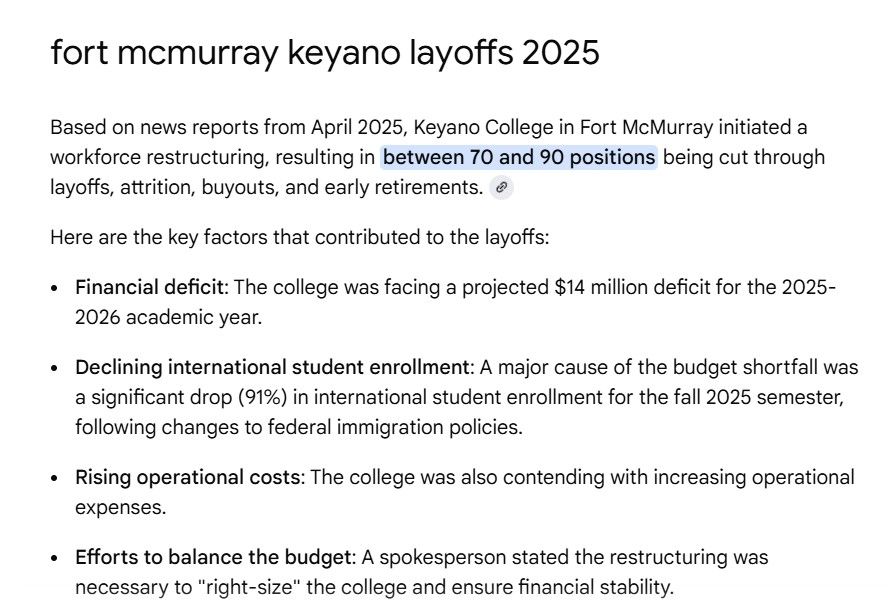
From a morale standpoint, I’m doing about as well as can be expected.
I had moved here to Fort Mac with the idea of staying for two years and possibly longer. As was put to me shortly after I started last August, “it all depends on student enrollment”. And so, for all my struggles and challenges and successes and personal and professional growth, which we talked about variously last season, I’m now in a significantly destabilized professional and financial situation. I’ve wondered, as one will, how long this new stretch of unemployment will last. For those interested, since my time at Thompson Rivers University ended in 2022, I’ve now been unemployed for 23 out of the past 42 months, and counting.
It’s my third layoff in just over three years.
Beyond the obvious financial insecurity, this has had a significant impact on my sense of self-efficacy. My dilemma being: I love being an educator, deeply and passionately. I have significant qualifications and experience, all of which I now have been questioning.
I have had to consider that A) I may simply not be a good employee; B) I may be bad at navigating my own career; C) that I may have to move in with my parents at some point relatively soon.
What does this have to do with educational administration?
At forty-seven years old, I’ve yet to occupy an administrative role. I’m aware that to be a director or VP or other kind of leader in higher education requires significant skill, experience, and sensitivity. And I’ve had challenges in my relationships with administrators in nearly every role that I’ve had since starting back in 2006. I’ve always viewed these challenges as part of a wider trajectory of professional growth and development. Even in the most tumultuous circumstances, I’ve been able to qualify things in this way.
Are my present circumstances related to these past challenges? Am I receiving my comeuppance for being a difficult or ineffective employee?
I know that there are many more important things about a person than the work they do or how much money they make. But right now, I’m feeling very much on the outside of the Canadian higher education sector, generally. If ever and whenever and however I finally make my way back into paid employment in some kind of educational role, you can bet that getting along well with my administrator colleagues is going to be of the highest importance.

Doug’s Notes
Administrator impacts on school morale

Whether teachers were satisfied or dissatisfied depended greatly on the quality of the administrative relationships in which they were involved and on the quality of the leadership they were given within the structure.
Blocker, C. E., & Richardson, R. C. (1963). Twenty-five years of morale research: A critical review. The Journal of Educational Sociology, 36(5), 200-210.
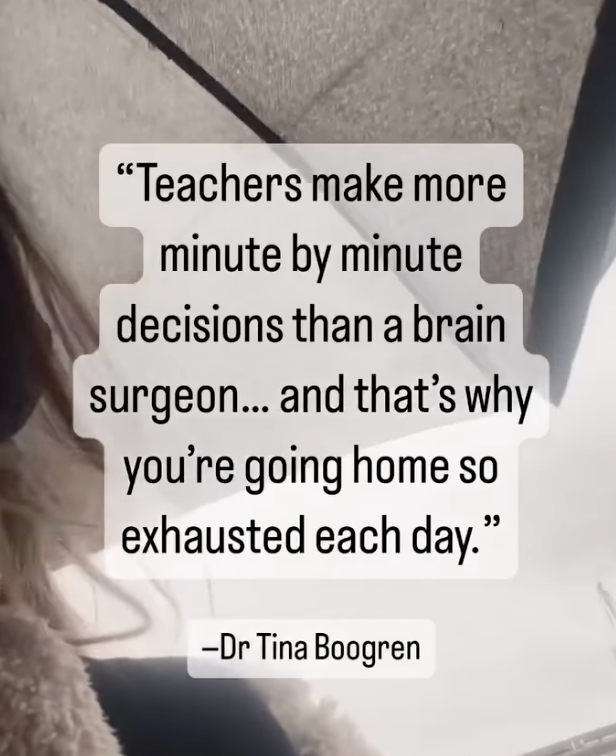
… a definite connection between elementary school principals and three criteria of the principal’s effectiveness:
(1) staff morale;
(2) professional performance of teachers; and
(3) pupil learning.
Gross, N. C., & Herriott, R. E. (1965). Staff leadership in public schools: A sociological inquiry.
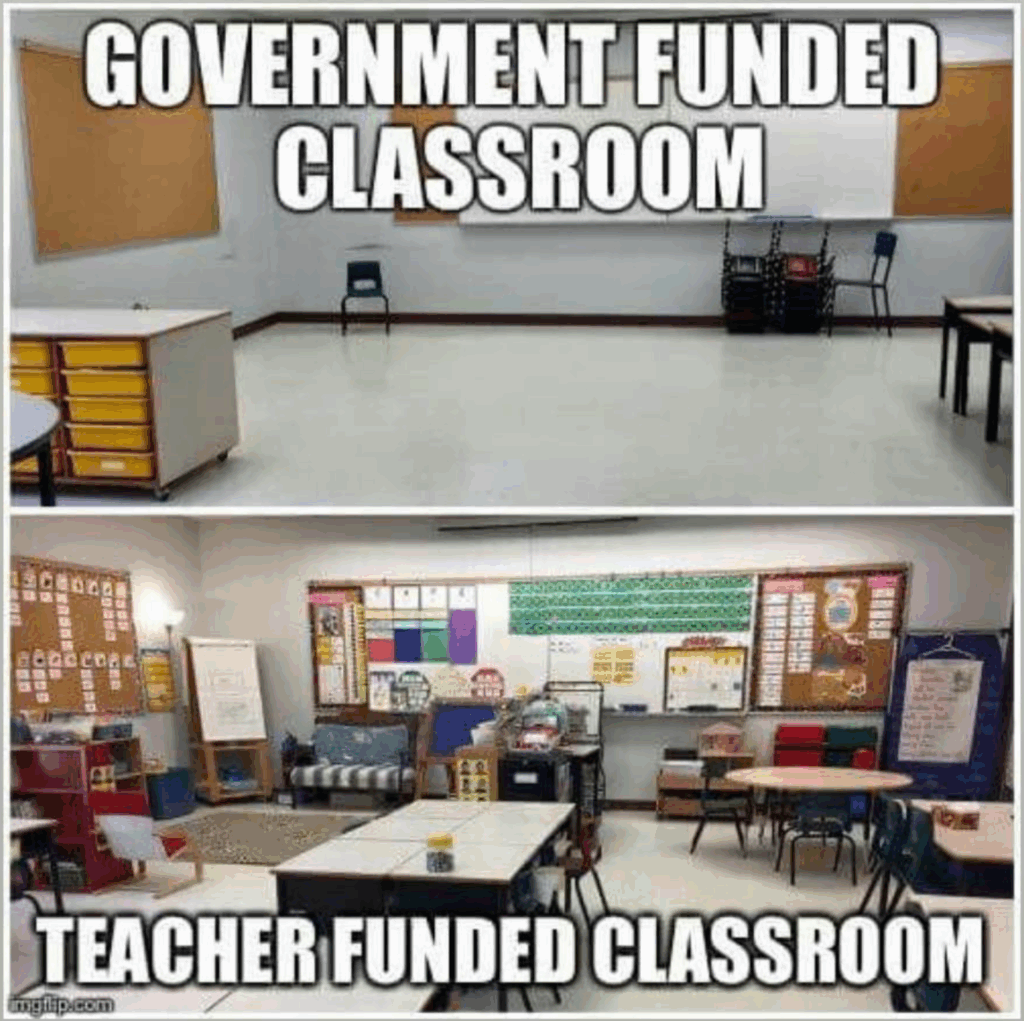
The terms job satisfaction, job attitudes, and morale are used interchangeably as reflecting affective orientation of individuals toward their job.
… that principal leadership styles and leadership effectiveness are related to teachers’ morale and performance; and that leadership styles and principal effectiveness affect teachers’ job dimensions, which in turn mediate low teacher morale. Teachers are uplifted by principals who effectively define the school mission, manage the instructional program, and promote a positive school-learning climate.
Thomas, V. (1997). What Research Says about Administrators’ Management Style, Effectiveness, and Teacher Morale.

Selected high teacher morale characteristics include:
1. The teacher being appreciated as an individual by administration.
2. Confidence from administration in the teacher’s ability.
3. Administrative support when dealing with student discipline.
4. Teacher input in the development of school policies.
5. Adequate supplies and facilities.
6. Appropriate teaching loads and assignments.
8. Meaningful in-service training and staff development.
Constructs of Purdue Teacher Opinionnaire
- Teacher’s feelings about the principal, his professional competency, his interest in teachers and their work, his ability to communicate, and his skill in human relations
Bost, M. (2019). The Impact of Teacher Morale and School Culture on Student Achievement. Gardner-Webb University.

Within the context of schools there is ample support for the pivotal role played by school administration in the establishment of psychological climate and trust within schools.
- When teachers perceive that trustworthiness of school administration is low; trust, morale and participative decision-making will also be low.
- Burnout will be negatively correlated with teacher perceptions of trustworthiness of school administration.
- Morale and participative decision-making will mediate
- teacher perceptions of trustworthiness and burnout and
- teacher perceptions of trustworthiness and trust.
Timms, C., Graham, D., & Caltabiano, M. (2007). Perceptions of school administration trustworthiness, teacher burnout/job stress and trust: the contribution of morale and participative decision-making. Advances in organisational psychology, 135-151.
Word of the Podcast
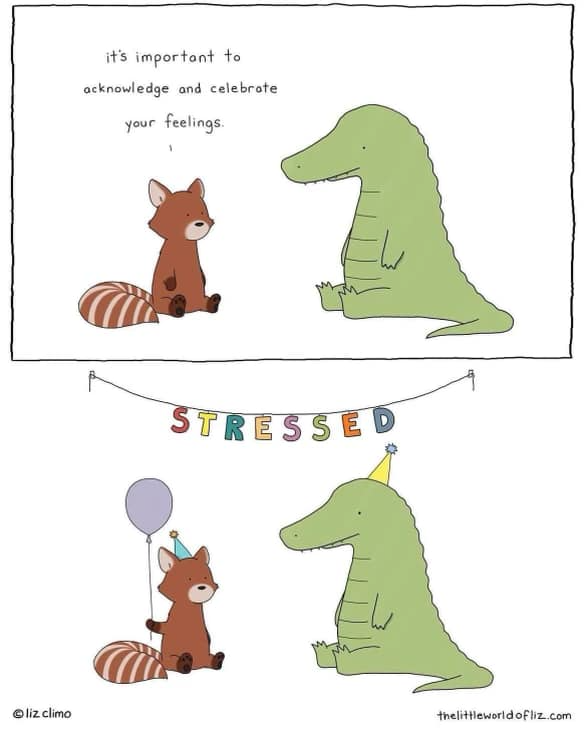
Morale
Question of the Podcast
How can the teaching profession continue without reaching a breaking point?
Phrase of the Podcast
Rocket surgery and educational leadership

Thanks for joining us for this fourth season of the EnT! We are grateful to you for checking it out!
Pencils and pens are swords
Letters put together form a key to chords
I’m also a sculpture born with structure
Because of my culture, I’m a rip and destruct the
Difficult styles that’ll be for the technology
Complete sights and new heights after I get deep
You don’t have to speak, just seek
And peep the technique #ednontech
Podcast: Play in new window | Download
