
Matt’s Notes
Welcome one and all to what surely must be one of the final episodes of this year 2025! Inasmuch as we’re sliding into the holiday times when revels are had it seems a fine time to speak to situational ethics this go-round!
From the digital ends of the digital earth to you! #ednontech
If it is indeed the end of the world, you could do worse than to listen to this audio first! #ednontech

It’s the end of the world as we know it, and we feel fine! #ednontech

Doug’s Notes
Situational ethics in education
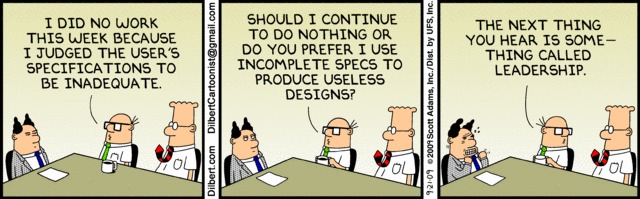
The basic characteristic of the delinquent sub-culture, it is argued, is a system of values that represents an inversion of the values held by respectable, law-abiding society.
These justifications are commonly described as rationalizations.
The Denial of Responsibility.
The Denial of Injury.
The Denial of the Victim.
The Condemnation of the Condemners.
The Appeal to Higher Loyalties.
Sykes, G. M., & Matza, D. (2017 & 1957). Techniques of neutralization: A theory of delinquency. In Delinquency and Drift Revisited, Volume 21 (pp. 33-41). Routledge.
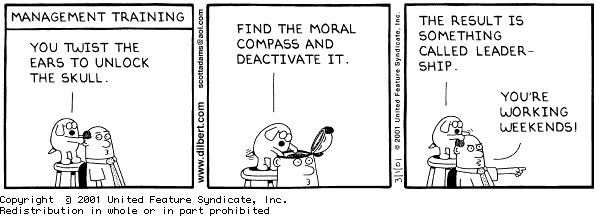
Situational ethics as one of three primary avenues for making moral decisions. The other two are:
(a) the legalistic, which contends that moral rules are absolute laws that must always be obeyed; and
(b) the antinomian, which contends that no guidelines exist, that each situation is unique and requires a new decision.
Fletcher, J. F. (1966). Situation ethics: The new morality.
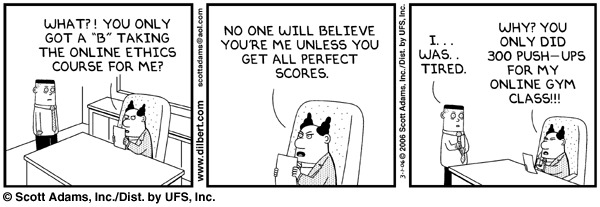
Ethical absolutists would hold that every real work situation can be judged in terms of a standard which is both universal and unchanging.
McNichols, C. W., & Zimmerer, T. W. (1985). Situational ethics: An empirical study of differentiators of student attitudes. Journal of business ethics, 4(3), 175-180.
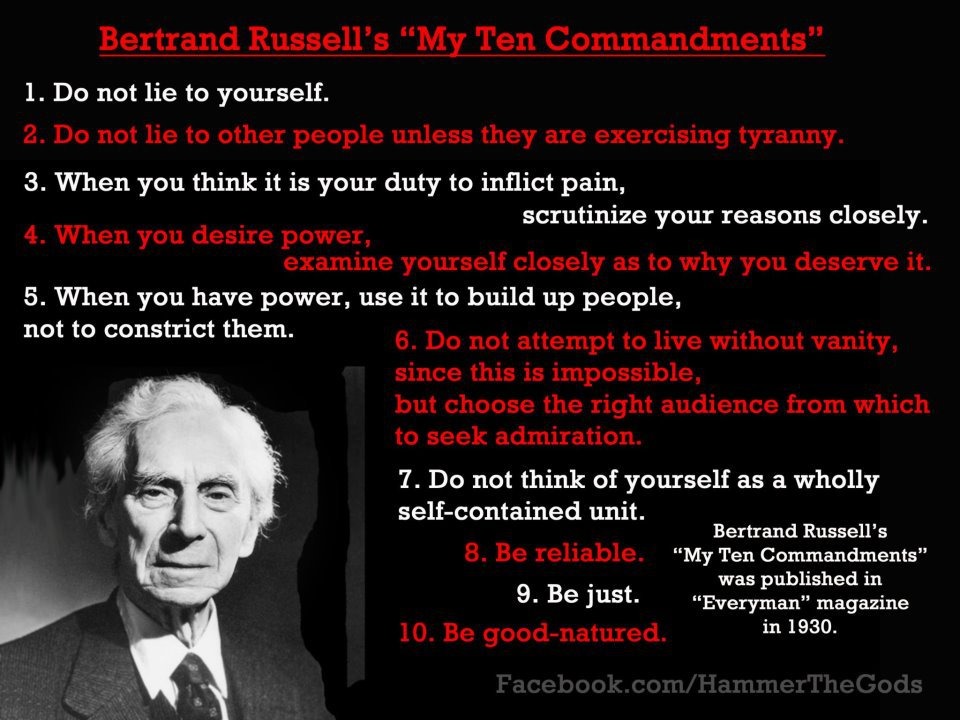
The concept of situational ethics may be particularly helpful in understanding student rationalizations for cheating.
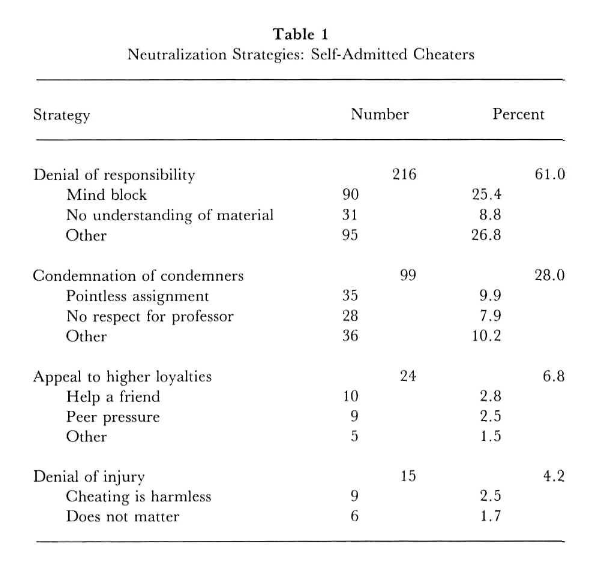
McCabe, D. L. (1992). The influence of situational ethics on cheating among college students. Sociological inquiry, 62(3), 365-374.
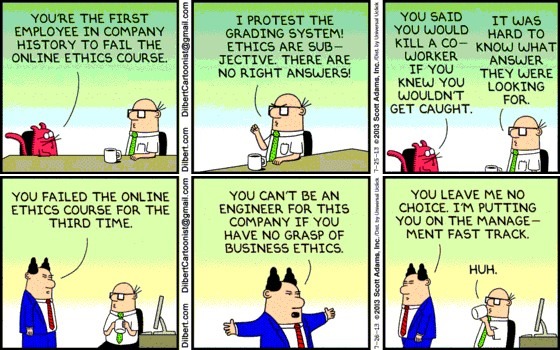
The application of situational ethics proves particularly illuminating in understanding how teachers experienced moral distress when forced to choose between competing ethical imperatives.
… teachers’ experiences during and post-pandemic represent a fundamental encounter with what Fletcher (1966) would recognise as paradigmatic ethical situation: circumstances where conventional ethical frameworks prove inadequate and require contextual wisdom.
Nakar, S. (2025). Navigating ethical landscapes: vocational educators’ adaptations through and beyond COVID-19. International Journal of Lifelong Education, 1-27.

Word of the Podcast
Situational
Question of the Podcast
How do people justify having situational ethics in educational contexts?
Phrase of the Podcast
The giant head behind the other giant head.
&
Airports have their own time zone.

Thanks for joining us as we veer into the final weeks of 2025! We hope to see you again soon!
… That’s great, it starts with an earthquake
Birds and snakes, and aeroplanes
And Lenny Bruce is not afraid #ednontech
Podcast: Play in new window | Download
